Because internal combustion engines emit a lot of heat, most engines use heat shields to protect components and bodywork from heat damage. In addition to providing protection, an effective heat shield can also improve performance by reducing the temperature under the hood, thereby reducing intake air temperatures. Heat shields vary widely in price, but most are easy to install, usually via stainless steel clips or high-temperature tape. There are two main types of automotive heat shields.
Until recently, rigid heat shields were made of solid steel, but now they are often made of aluminum. Some high-end rigid heat shields are made from aluminum sheets or other composite materials with a ceramic insulation coating for improved insulation.

Automotive Heat Shields
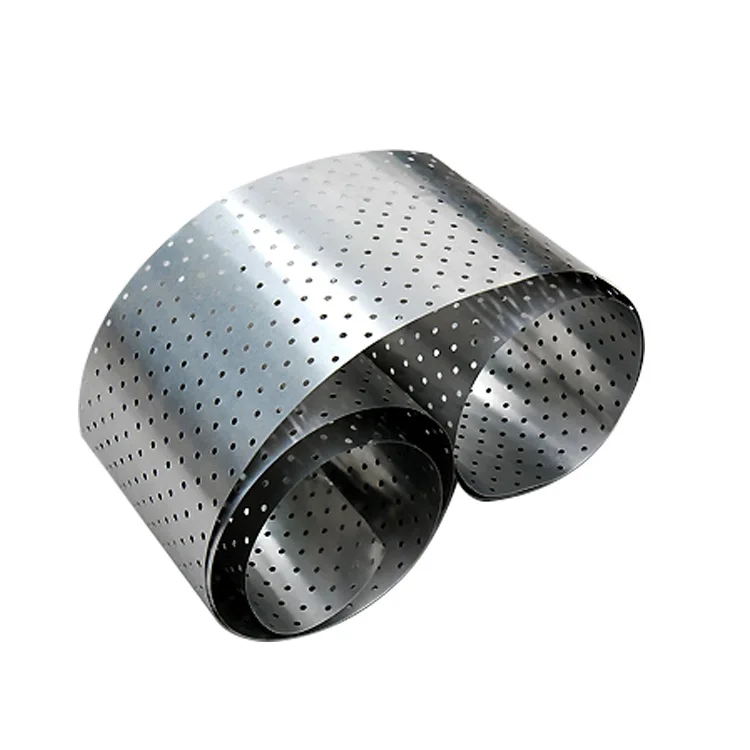
Flexible heat shields are usually made of thin aluminum sheets that can be sold flat or on a roll and bent by hand by the assembler. High-performance flexible heat shields sometimes include additional features, such as ceramic insulation applied by plasma spraying.
Textile heat shields for various components, such as exhaust, turbo, DPF, or other exhaust components.
As a result, foil heat shield is often installed by amateurs and professionals during the engine tuning phase.
The foil heat shield is also used to cool the engine mount's vents. When the vehicle is running at higher speeds, there is enough ram air to cool the engine compartment under the hood, but when the vehicle is running at lower speeds or climbing hills, engine heat needs to be isolated to transfer to other surrounding components, such as the engine mounts. With the help of proper thermal analysis and the use of heat shields, engine mounts vents can be optimized for optimal performance.

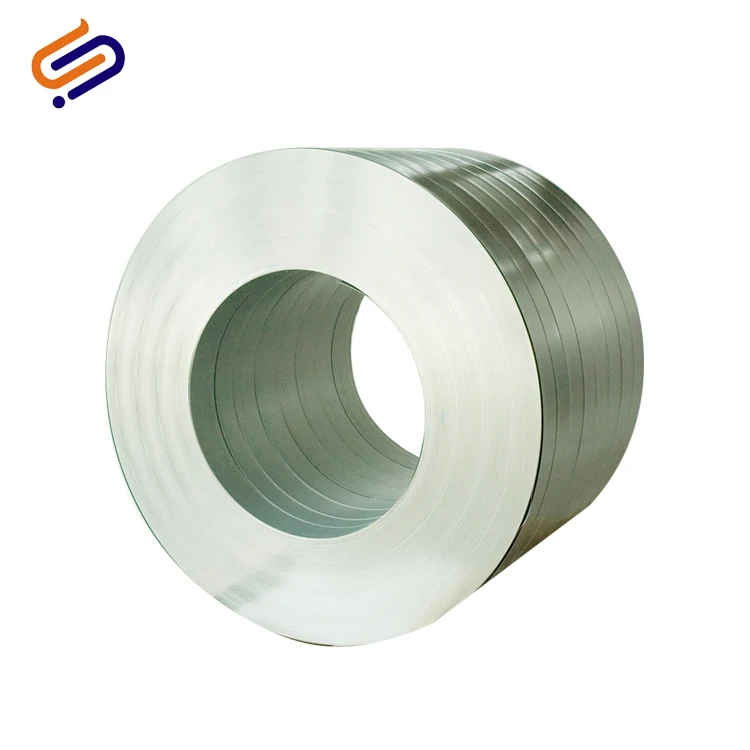
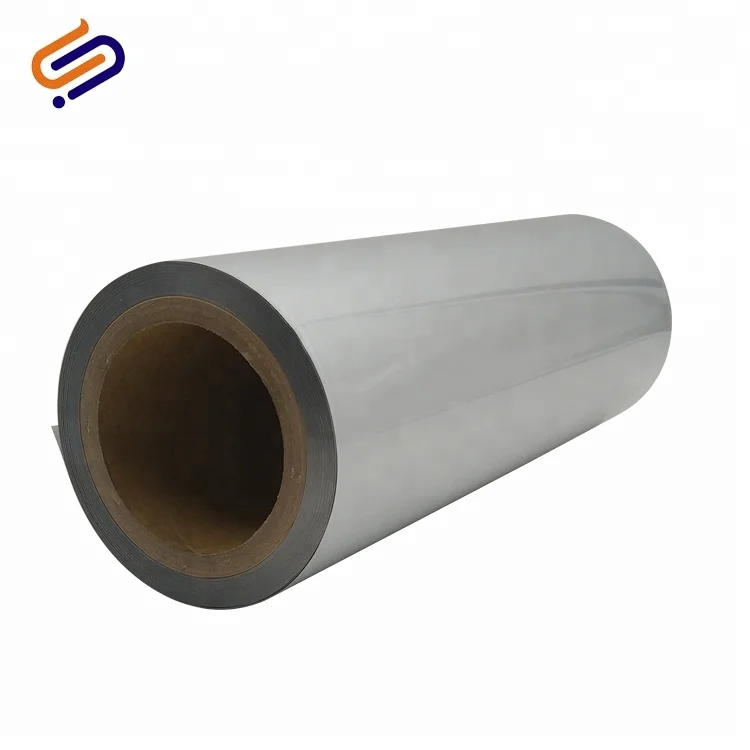
Foil Heat Shields
The heat shield protects the structure from extreme temperatures and thermal gradients through two primary mechanisms. Thermal insulation and radiative cooling, respectively, isolate the underlying structure from high exterior surface temperatures while radiating heat outward through thermal radiation. The three properties required for the good function of a thermal shield are low thermal conductivity (high thermal resistance), high emissivity, and good thermal stability (fire resistance). Porous ceramics with high emissivity coatings (HEC) are often used to address these three properties due to the good thermal stability of ceramics, the adiabatic properties of porous materials, and the good radiative cooling provided by HEC.
Finally, we should make the metal very thin so that heat radiation can escape. In summary, due to the unique properties of metal, it can be an excellent heat shield (for example, when wrapping aluminum foil around warm food) or an excellent heat sink (for example, when attaching metal fins to a computer chip). Welcome to contact us today or request a quote.
Heat shields are important. While you can still technically drive a car or truck without a heat shield, it is a necessary safety feature for some reason.
The short answer is that it's not as necessary as a primary shield, but an additional shield can make drivers and passengers more comfortable and save money on replacement lines and inefficient fuel usage. Many original equipment manufacturers (OEMs) have a piece of stamped metal as a heat shield insulator for their fittings.
If you want to get more information about the high-quality automotive foil heat shields for sale, welcome to contact us.


Copyright © Wuhan King Plastic Composite
Material Co., Ltd. All Rights Reserved.
Sitemap. Powered by