Many insulating materials come with one or more layers of aluminum foil. In fact, a basic radiation-blocking layer can work fine with a single layer of aluminum foil. Considering the excellent thermal conductivity of metals (especially aluminum), it seems odd to use it as an insulating material. Here's how it works. Next, the aluminum foil supplier will share it with you.
Heat is actually a measure of the energy of the atoms in a material. The more energy they have, the higher the temperature of the material. Energy is transferred in three ways: by conduction, convection, and radiation (and don't forget that heat always flows away from its source, from hot to cold.)
Conduction occurs when heat energy is transferred through a material. When atoms are packed closely together, as they are in solid metals, energy moves easily.
In a gas, the atoms have more space and the energy moves more slowly. That's why bubbly materials are as effective as winter coats; they form similar micro-cavities - they slow down the rate of heat transfer.
Convection occurs when a liquid or gas expands. This causes its density to decrease and rise, allowing a colder fluid to take its place. This is why we say that heat rises.
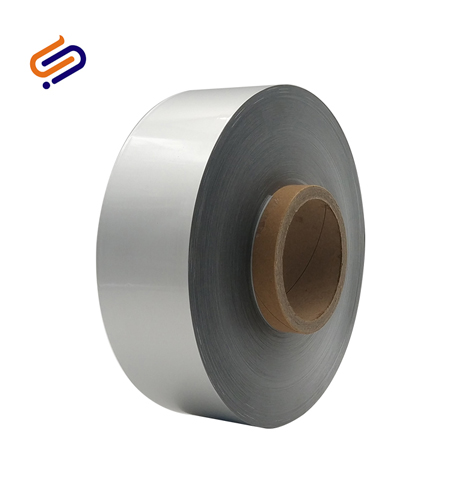
Aluminum Foil
The answer is visible and invisible light or infrared light. The sun emits light, some of which passes through the earth's atmosphere and is absorbed by plants, soil, water, etc.
Some materials absorb light better than others and therefore absorb energy. Shiny materials like aluminum tend to reflect a lot of heat, while wood and concrete absorb much higher amounts of heat. This means that aluminum heats up slowly when exposed to radiant heat.
All materials that absorb heat tend to re-emit it. (Stand near a brick wall baking in the midday sun and you will feel the heat emitting.) Just as some materials reflect better than others, some materials dissipate heat better. This property that becomes a radiator is called emissivity? and is given a value from 0 to 1.
(Scientifically speaking, emissivity is the ratio between the heat emitted by a material and the heat emitted by a "perfect" emitter (also called a blackbody).)
Steel is a very good emitter, with an emissivity number of around 0.5. (That's why they glow red and emit heat when heated in a furnace or torch.)
Aluminum has an emissivity number of about 0.04. This means that it gives off very little heat from its surface, which is one reason why radiators are not made of aluminum!
Aluminum foil is an effective insulating material because it does not emit heat into the environment. This is what makes it effective directly under the roof: although it will become hot by conduction through the shingles, it will not give off heat into the attic space. In HVAC applications, for example, the aluminum foil will prevent heat from entering or escaping, thus keeping the heat at the desired temperature inside the ducts. The same concept is used in many other residential and commercial applications.
This is how aluminum foil insulation works.
If you want to get more information about the aluminum foil for sale, please contact us.


Copyright © Wuhan King Plastic Composite
Material Co., Ltd. All Rights Reserved.
Sitemap. Powered by